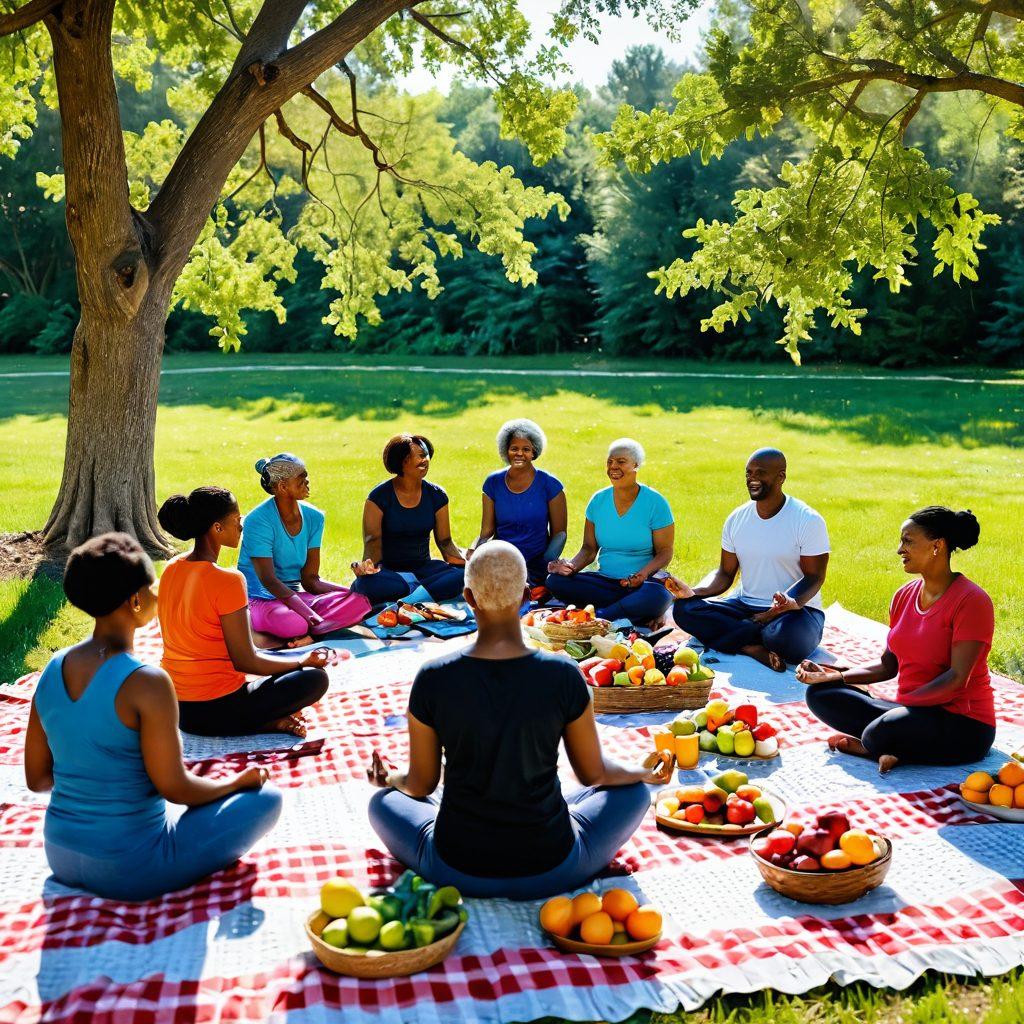
Empowering Wellness: Essential Strategies for Cancer Prevention and Survivorship
In a world where cancer seems to touch everyone, whether personally or through a loved one, understanding holistic approaches to cancer prevention and survivorship can feel like unlocking a treasure chest of invaluable tools. Recent oncology news has revealed tantalizing insights about the mind-body connection, demonstrating that emotional wellbeing can significantly contribute to our defense against various tumor types. From nutrition to community support, there is so much more that can be achieved through lifestyle changes that empower individuals on both the preventative and survivorship journeys. But what exactly do these holistic strategies entail?
Imagine standing on the threshold of a vast garden of wellness strategies, each flower representing a different aspect of health—nutrition, mental health, and community ties. One flower is particularly captivating: nutritional support. Studies show that a balanced diet can be crucial in reducing cancer risk and supporting recovery. But did you know that certain foods may enhance the effectiveness of treatments like chemotherapy and immunotherapy? Forbes once quoted an oncologist who said, 'Food is medicine; let it heal you.' If only more people would embrace this philosophy, wouldn’t they?
As we dive deeper, let's explore the emotional aspect of cancer prevention and survivorship. Emotional support is often cited as a missing link in conventional oncology practices, but in reality, it's a cornerstone of effective patient advocacy. Engaging in cancer support groups where stories of endurance and triumph are shared can provide a sobering yet empowering reminder that we are not alone in our battles. After all, isn’t it true that every story, including your own, has the power to inspire?
Another crucial note is the ongoing advancements in clinical research, particularly in early detection and screening methods. Innovations in radiation therapy and chemotherapy are making waves, but these don’t overshadow the potential of holistic interventions. Staying informed through reliable cancer statistics and the latest research advancements can empower individuals to take charge of their health. Knowledge is truly power—how can we harness it for our own wellness journeys?
Lastly, embracing a collaborative approach to health can open even more doors. By utilizing caregiver resources and connecting with community programs that focus on holistic health, patients and survivors can navigate their paths with greater ease. Consider this: what if every cancer journey included not only treatments but also therapeutic practices such as yoga or meditation? Imagine the profound impact on emotional wellbeing! Whether it's joining a group, sharing your cancer story, or advocating for palliative care reforms, your involvement can make a difference. So, what steps will you take today to unlock these secrets of cancer prevention and survivorship?
From Awareness to Advocacy: Navigating Cancer Support and Wellness Strategies
Navigating the complex world of cancer support and wellness strategies can feel overwhelming, but it doesn't have to be. With the right information and a supportive community, individuals can transform their journey through awareness and advocacy. As we delve into the essentials of cancer prevention and survivorship, it’s important to remember: this journey is not just about battling cancer—it's about thriving beyond it. Quotes like, "It's not the years in your life that count; it's the life in your years" remind us to focus on well-being alongside survivorship.
Awareness is vital—not only for understanding the various tumor types that can affect our lives but also for staying informed about the latest oncology news and research advancements. Did you know that early detection can significantly improve outcomes? Screening methods have evolved, offering us the advantage we need. Staying updated on health tips and community support is crucial. Engaging with cancer support groups can provide invaluable resources, emotional support, and shared experiences, making your own journey a little less daunting.
Lifestyle changes for cancer patients can be incredibly empowering. Small, actionable steps can lead to profound impacts on health and emotional wellbeing. For instance, integrating holistic health practices, such as mindfulness and nutritional support, can significantly enhance one's quality of life. Make it a mission to explore these strategies as you carve out your path in the world of survivorship. Have you ever wondered how making slight adjustments in your diet could contribute to your body’s fight against cancer? The answers may surprise you!
At the heart of survivorship is patient advocacy. This important role gives patients a voice, enabling them to partake in clinical trials, access the latest treatments like immunotherapy or chemotherapy, and navigate through palliative care options. Advocacy not only holds healthcare providers accountable but also helps shape a future that prioritizes patient education and support. Have you thought about what steps you can take to advocate for your own health or the health of your loved ones?
Lastly, let’s embrace the power of storytelling. Cancer stories uniquely characterize every individual’s experience, blending struggles, victories, and lessons learned along the way. Engaging with these narratives can foster resilience and hope, and they highlight the importance of community support. Sharing our stories may indeed light the path for others seeking guidance. As we wrap up this discussion on cancer support and wellness strategies, let’s remember: Together, we can empower one another to not just survive cancer, but to rise, thrive, and advocate for the health we deserve.
Fueling Recovery: Nutritional and Emotional Wellness for Cancer Survivors
Fueling the body post-cancer treatment can feel like navigating an often overwhelming landscape. How does one sift through oncology news and overwhelming statistics to find tailored, actionable health tips? When diagnosed with a tumor type that disrupts one's life and health, the journey toward recovery can appear daunting, yet with the right nutritional support and emotional wellbeing practices, it can transform into a story of resilience and triumph. Let’s delve into some essential wellness strategies that not only fuel recovery but also empower cancer survivors on their journey.
In the realm of cancer prevention and survivorship, the role of diet cannot be overstated. Research advancements in nutritional science reveal that the right foods can play a significant role in recovery and long-term survival. Foods rich in antioxidants, fiber, and healthy fats can not only bolster the immune system but also work in synergy with treatments like immunotherapy, radiation therapy, and chemotherapy. Taking a moment to explore your plate may be the first significant lifestyle change for cancer patients—what if every meal became a step toward recovery?
But it’s not just the food we consume that plays a pivotal role in recovery—emotional wellness is equally crucial. Cancer survivors have unique emotional needs, often navigating feelings of isolation or anxiety. This is where community support and cancer support groups come into play. These groups provide a safe haven for sharing cancer stories, venting frustrations, and celebrating milestones. When was the last time you shared your struggles—and triumphs—with someone who truly understands? Engaging with fellow survivors can enhance emotional wellbeing and create a sense of belonging that is so vital in this journey.
Moreover, being a champion for your health means being your own patient advocate. This involves staying informed about your health and considering clinical trials that may offer promising treatments based on the latest research advancements. It encourages survivors to ask questions and seek comprehensive educational resources on screening methods and early detection of complications that might arise post-treatment. Can you envision gaining empowerment through knowledge and advocating for your health and wellbeing?
Lastly, let’s not forget the invaluable role of caregivers in this journey. Often the unsung heroes, caregivers require their own resources and support to effectively provide palliative care while maintaining their emotional health. The key to thriving during survivorship is recognizing that it takes a village—survivors, caregivers, and community networks can work together to create a holistic health environment that champions recovery. Remember, your story doesn't end with cancer—it's just the beginning of a new chapter filled with hope and strength.